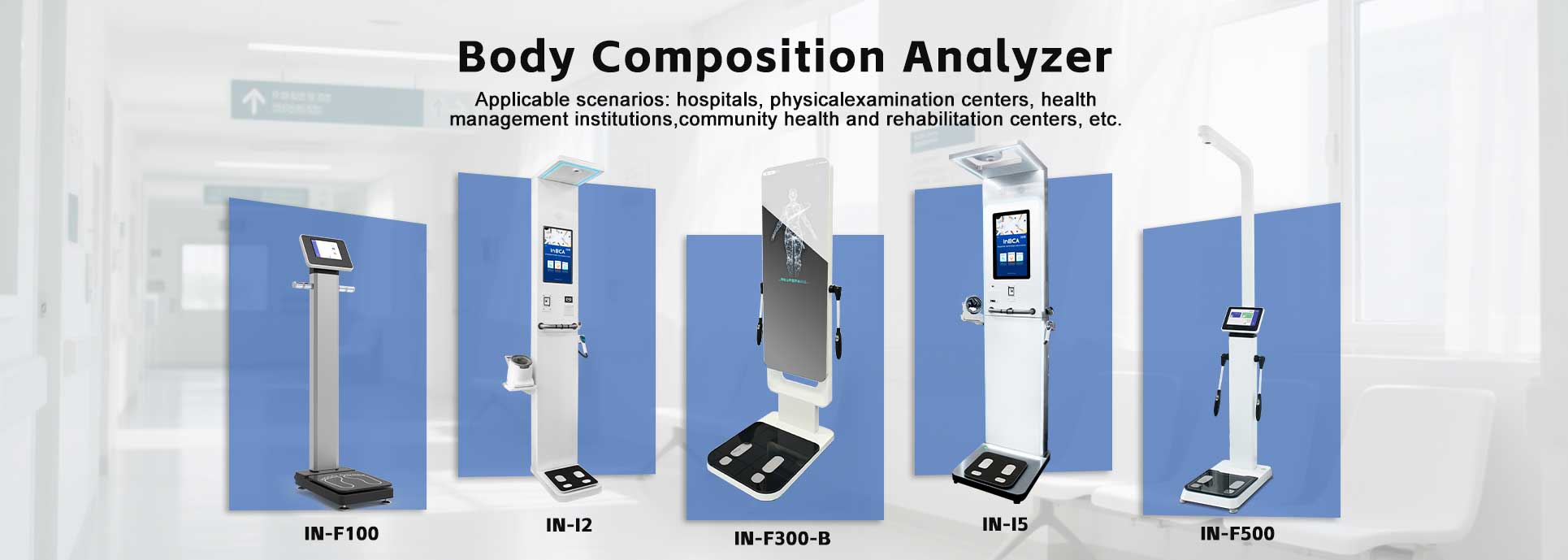

Body Composition Analyzer: A Scientific Window into Your Body
A body composition analyzer is a device based on bioelectrical impedance analysis (BIA) that measures the proportions of fat, muscle, water, and bone in the human body. Its core principle lies in the significant differences in conductivity among tissues—fat tissue has low water content and conducts almost no electricity, while lean tissues such as muscle and blood are rich in electrolytes and conduct well. By sending a weak, safe current through the body and measuring the impedance, the device calculates key metrics such as body fat percentage, muscle mass, water content, and basal metabolic rate, combined with information like height, weight, age, and gender.
Unlike traditional scales that only show "how heavy" you are, a body composition analyzer focuses on "where the weight comes from." Two people of the same weight can be a muscular athlete or someone with "hidden obesity" and excessive body fat—their health risks are completely different. Therefore, the device is widely used in fitness management, weight control, nutrition assessment, chronic disease risk screening, and clinical rehabilitation.
With technological advances, modern devices have evolved from single-frequency measurement to multi-frequency segmental measurement, allowing separate assessment of the arms, legs, and trunk, with continuously improving accuracy and practicality. In the future, with the introduction of artificial intelligence algorithms, body composition analyzers are expected to play an even greater role in personalized health management.