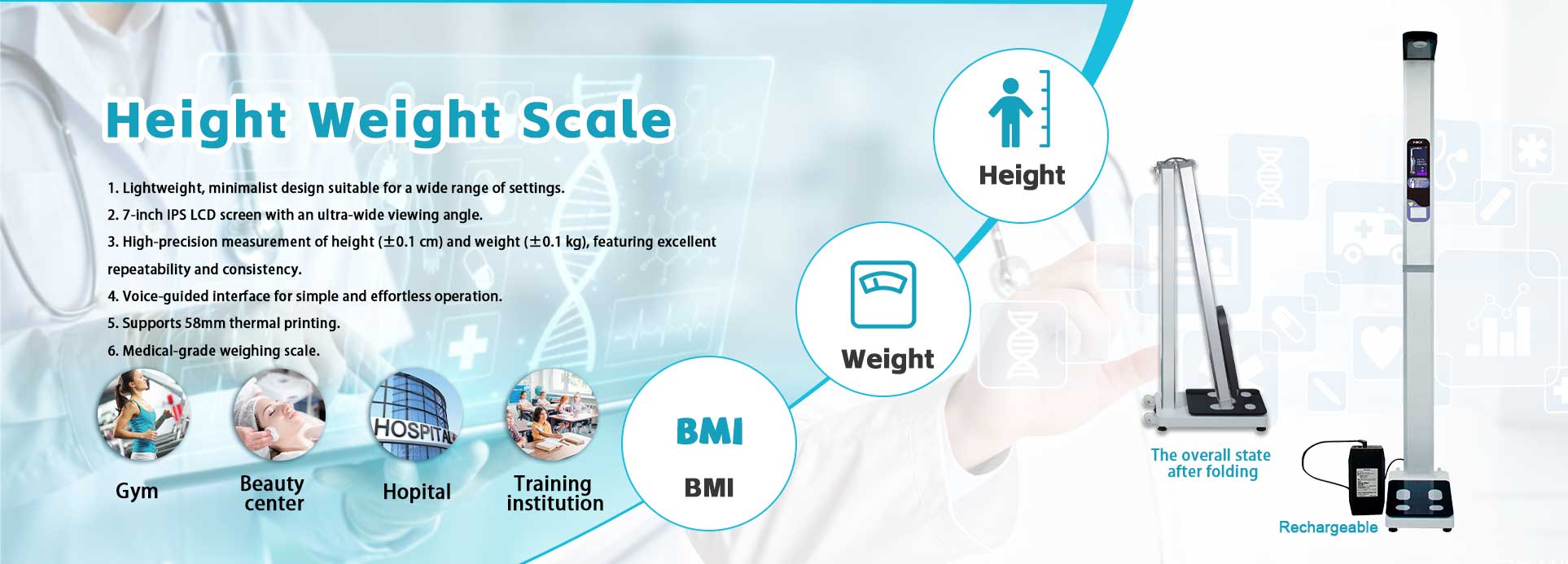
The height-weight scale is one of the most common pieces of equipment in hospitals, clinics, schools, and homes. Simple to use and inexpensive, it provides two basic measurements: height (in centimeters or inches) and weight (in kilograms or pounds). From these numbers, one of the most widely used health indicators is calculated—Body Mass Index (BMI).
Why It Matters
BMI is calculated by dividing a person‘s weight by the square of their height. According to the World Health Organization (WHO), a BMI between 18.5 and 24.9 is considered healthy. Below 18.5 suggests underweight; 25 to 29.9 indicates overweight; and 30 or above is classified as obese.
These categories help doctors screen for potential health risks. Studies have shown that being overweight or obese increases the risk of heart disease, diabetes, high blood pressure, and certain cancers. On the other hand, being underweight may indicate malnutrition, osteoporosis, or a weakened immune system.
Limitations of the Scale
Despite its widespread use, the height-weight scale has clear limitations. It cannot distinguish between muscle and fat. For example, an athlete with high muscle mass may have a BMI above 25 and be labeled “overweight,“ even though their body fat percentage is very low and their fitness level is excellent.
Similarly, the scale cannot tell where fat is stored. Visceral fat—the fat around internal organs—is more dangerous than subcutaneous fat found under the skin. Two people with the same BMI can have very different health profiles depending on fat distribution.
How to Use It Wisely
Health experts recommend using the scale as one tool among many. Instead of weighing yourself every day (which can cause unnecessary anxiety), try once a week at the same time of day, wearing similar clothing. Pay attention to long-term trends rather than daily fluctuations.
Other useful measurements include waist circumference, body fat percentage, and how your clothes fit. Most importantly, listen to your body—energy levels, sleep quality, mood, and physical strength matter just as much as the number on the scale.